
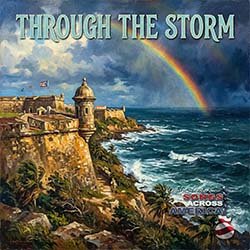
"Through The Storm©"
Lyrics by M. S. McKenzie | Performed by Songs Across America, Protected by Copyright
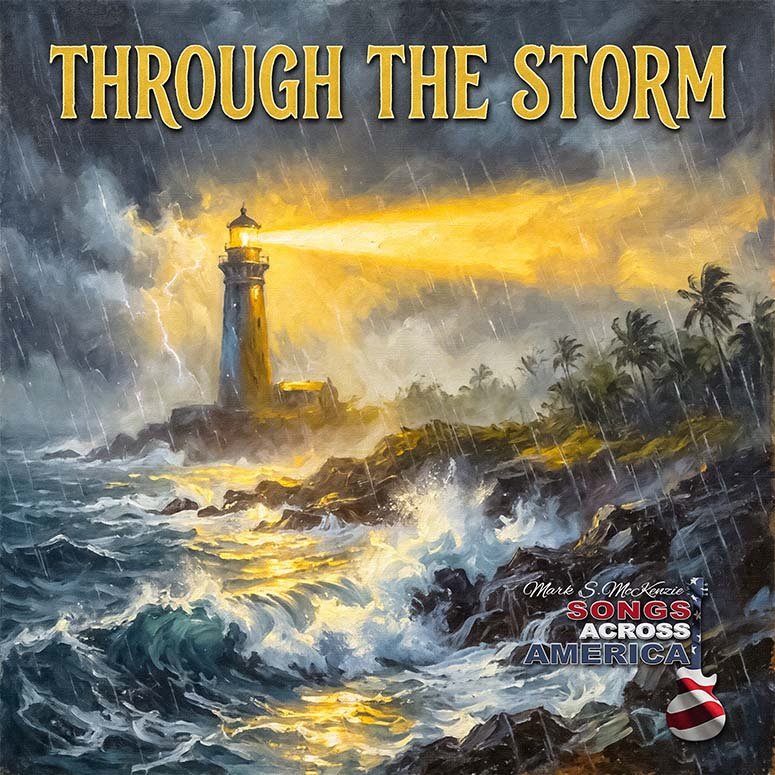
Streaming Services Music Link for Version I
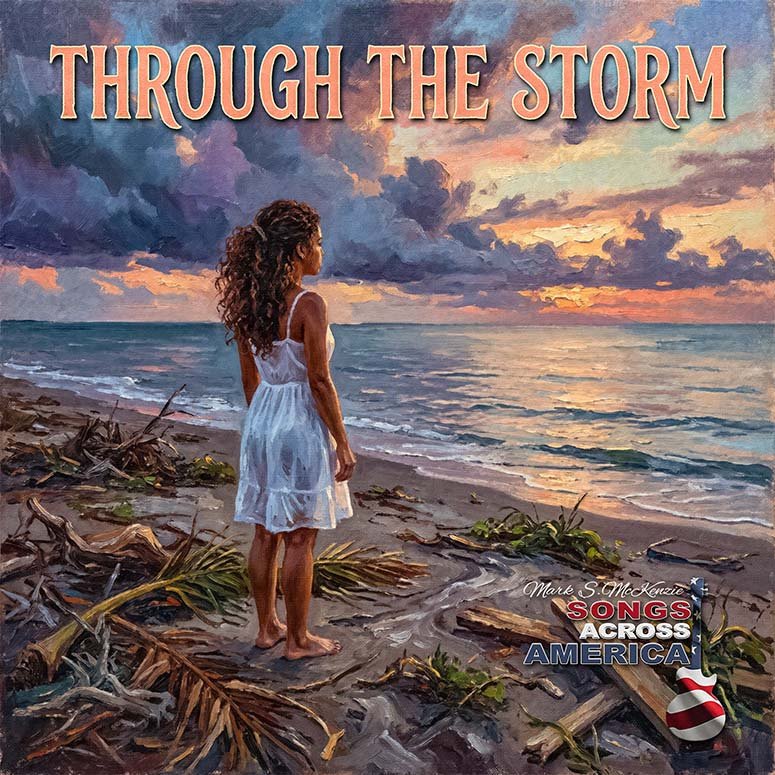
Streaming Services Music Link for Version II
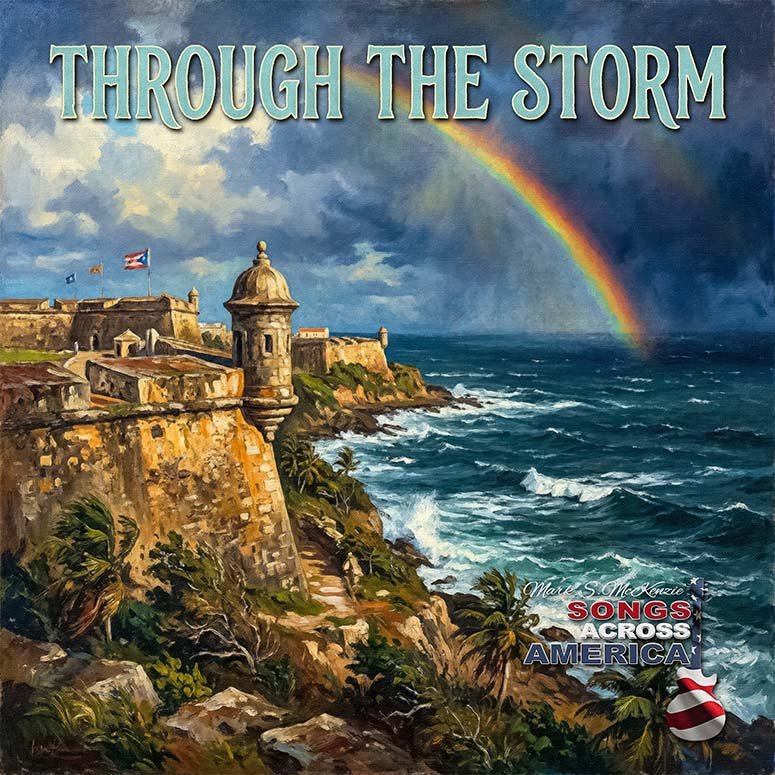
Streaming Services Music Link for Version III
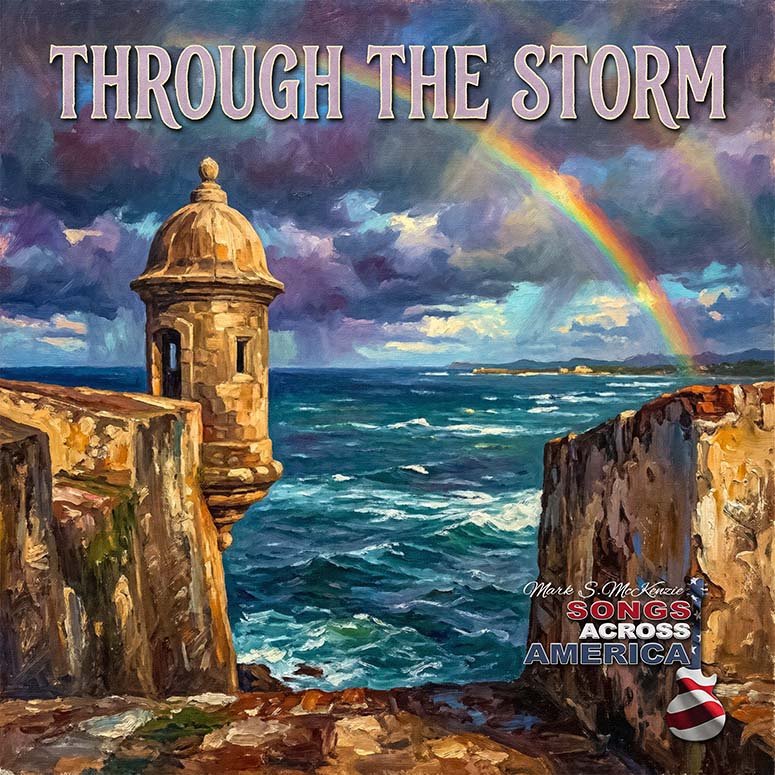
Streaming Services Music Link for Version IV
~ Associated State Links ~
[ PR Home Pg. | PR Gallery Pg. | PR Attractions Pg. ]
"Through The Storm"
Why I Wrote This Song
I wrote "Through the Storm" as a tribute to Puerto Rico's resilience after a hurricane that didn't just damage buildings, it silenced something in the island's spirit for a while. The islanders lost their song is the line I built the whole first half around, because I wanted the loss of power and shelter to feel secondary to that deeper loss, the temporary disappearance of music and joy and ordinary life itself.
The story behind the song is the refusal to end at the storm. The real second half of the song lives in the aftermath, when help arrives slow like a distant voice lost out to sea, and I wanted to be honest that the hardest part often isn't the storm itself but the long, forgotten waiting that follows it. Old men clearing branches, young people hauling debris, women keeping kitchens warm, neighbors opening doors to one another again and again, that's where the real story of this song lives, ordinary people rebuilding without waiting for rescue from outside.
What I care about most is the coquí returning in the bridge, because that small frog's nighttime call is such a specific, beloved sound of Puerto Rican life, and having it return alongside the children reclaiming flooded spaces felt like the truest possible symbol of a people insisting on their own continuity. Songs Across America has room for songs about disaster, but I wanted this one to end exactly where it should, not in triumph, but in the harder, truer thing, still standing, still singing, in spite of everything.
Genre:
Cinematic, emotionally sweeping anthem built on a repeated, anthemic chorus, moving from devastated stillness through the long grind of recovery into a hard-earned, defiant close.
Theme:
Hurricane survival and community resilience, the loss and eventual return of cultural spirit, mutual aid when institutions fail, and hard-earned hope that doesn't pretend the pain is over.
Primary Subject:
The people of Puerto Rico surviving and rebuilding after a devastating hurricane, particularly in and around Old San Juan.
Mood:
Devastated and fearful at the outset, deepening into weary endurance, and closing on hard-earned, unbroken pride.
Core Message:
Real resilience isn't the absence of devastation, it's ordinary people rebuilding their own lives and community without waiting for rescue, and choosing to sing again even while the scars are still visible.
Original Song Lyrics: Written by M. S. McKenzie, All Rights Reserved
[Instrumental Intro]
[Verse 1]
Blue stones shining under a heavy skies
Salt spray on the sea walls, high wind in the wires
Old San Juan balconies giving way in the rain
Candles on tables while they whisper through the strain
Windows boarded up as prayers move from room to room
A mother holds her children while daylight turns to gloom
Down every narrow street darkness stayed way too long
When the power gave way and the islanders lost their song
[Pre-Chorus]
All the stereos were traded for shivering in the dark
While thunder drowned the beating of frightened hearts
Every church became a shelter, every hand a helping light
As the storm rained down with all its anger and its might
[Chorus]
Through the storm (through the storm)
Through the night (through the night)
Through the silence when we vanished from their sight
When the roof tiles took flight into the wildest sky
We held fast to one another or surely we would die
Through the tears, (through the tears)
Through the years, (through the years)
Through the waiting and the weight of all our fears
When the world moved on and left us scarred and worn
We were still standing in spite of the storm
[Verse 2]
Morning finally broke with trees laid across the road
Villages cut off where the rivers swelled and rose
Blue tarps flapped in the breeze where rooftops used to be
Lines for food and water flowed like wounds through the street
Candles in the dark while music played somewhere far away
Neighbors cooking for neighbors at the end of every day
Help came slow like a distant voice lost out to sea
And the island learned how lonely, forgotten hearts can be
[Pre-Chorus]
But the old men cleared the branches and the young ones hauled the tin
While old women kept the kitchens warm with what others brought in
From the coast up through the barrios where the broken hills still swore
We found our way through as islanders opened yet another door
[Chorus]
Through the storm (through the storm)
Through the night (through the night)
Through the silence when we vanished from their sight
When the roof tiles took flight into the wildest sky
We held fast to one another or surely we would die
Through the tears, (through the tears)
Through the years, (through the years)
Through the waiting and the weight of all our fears
When the world moved on and left us scarred and worn
We were still standing in spite of the storm
[Bridge]
Now I hear the sound of guitars rising past the sea wall
See light returning to the balconies in spite of it all
Children now ran where floodwaters once raged
And the coqui sang so softly like a wise old sage
Still some wires hanging, still some roads undone
Still some pain that lingers long after the cameras run
But the heart of this island beats steady and warm
For there is a beauty that survives…
…when a people are reborn
[Final Chorus]
Through the storm, (through the storm)
Through the night, (through the night)
Through the years we kept the fire in our sight
When the sky came down and the world turned cold
We became the hands that lifted up young and old
Through the loss, (through the loss)
Through the pain, (through the pain)
Through the long slow healing of the wind and rain
With the blue stones shining after every dawn
We are still here, we are still strong
Yes, we are still singing through the storm
[Instrumental Outro]
Song Description
"Through The Storm" is a deeply emotional and cinematic anthem of survival, grief, endurance, and collective rebirth. Set against the haunting backdrop of hurricane-ravaged Puerto Rico, the song captures both the physical devastation of the storm and the long, painful aftermath that followed, while ultimately lifting up the extraordinary resilience of the island's people. It is not simply a disaster song. It is a song about human dignity under pressure, about cultural endurance, and about the way community can become a lifeline when institutions fail.
From its opening images, the song places the listener directly into Old San Juan and the surrounding island landscape. The "blue stones shining under heavy skies," the sea walls, balconies, wind, rain, candles, and boarded windows all create a vivid atmosphere of beauty under siege. These details give the song a strong sense of place, grounding it unmistakably in Puerto Rico's historic and emotional landscape. The setting is not generic. It feels lived in, loved, and specific, which gives the unfolding tragedy even more weight. The storm is not just hitting buildings. It is hitting memory, heritage, family life, and identity.
The first verse focuses on fear, helplessness, and the sudden collapse of normal life. Electricity fails, daylight turns to gloom, and the familiar rhythms of music and conversation are replaced by silence, prayer, and dread. The line about "the islanders lost their song" is especially powerful because it suggests more than literal quiet. It implies a temporary severing of spirit, joy, and cultural expression. Music here symbolizes life itself, and when it disappears, the loss feels total.
The pre-chorus and chorus expand the scale from individual households to an entire people enduring catastrophe together. Churches become shelters, neighbors become sources of light, and survival depends on human closeness. The chorus is particularly effective because it balances terror with solidarity. Roofs are ripped away, the sky turns violent, and death feels close, yet the central image is one of people holding onto one another. That becomes the emotional core of the song: when systems collapse, human connection remains.
The second verse shifts from the storm itself to the aftermath, and this is where the song becomes even more poignant. Fallen trees, flooded villages, blue tarps, long lines for food and water, and delayed aid all reflect the drawn-out suffering that follows disaster. This section captures the pain of abandonment and the bitterness of feeling forgotten. The lyric about help coming "slow like a distant voice lost out to sea" is especially striking because it conveys both physical isolation and emotional neglect. The song makes clear that the true hardship did not end when the winds died down. In many ways, it had only begun.
And yet the song never remains in despair for too long. The second pre-chorus introduces one of its most powerful themes: ordinary people saving one another. Old men clear branches, young people haul debris, women keep kitchens warm, and islanders open doors to one another again and again. This is where the song's deeper message becomes unmistakable. "Through The Storm" is not about rescue arriving from outside. It is about a people discovering, or rediscovering, their own strength from within. Recovery becomes communal, practical, and sacred all at once.
The bridge offers a beautiful emotional turn. Guitars rise again, balconies begin to glow with light, children reclaim spaces once ruled by floodwaters, and the coquí returns as a symbol of continuity, identity, and healing. These images suggest that while scars remain, life itself insists on returning. The bridge wisely avoids pretending that everything is fixed. Wires still hang, roads remain broken, and pain lingers after the media attention fades. That honesty gives the hope greater credibility. This is not cheap triumph. It is hard-earned perseverance.
By the final chorus, the meaning of the song broadens beyond survival into transformation. The people are no longer merely enduring the storm. They have become the ones who lift one another up. That is a profound shift. The storm stripped away comfort and certainty, but it also revealed courage, tenderness, and collective identity. The repeated image of the blue stones shining after dawn ties the ending back to the beginning, but now those stones symbolize endurance and renewal rather than impending dread. Puerto Rico is still wounded, but it is alive, singing, and unbroken.
Overall, "Through The Storm" is a sweeping tribute to Puerto Rican resilience. It honors suffering without exploiting it, and it celebrates survival without ignoring loss. The song's greatest strength is that it treats the people of the island not as passive victims of tragedy, but as active agents of love, endurance, culture, and rebirth. It is a song of remembrance, protest, mourning, and pride all at once. In the end, it declares that while storms may tear through homes, roads, and power lines, they cannot destroy the soul of a people determined to stand together.





Featured Songs



.jpg)

Leave a Tip